

PCOS, Insulin Resistance, and Infertility: How It’s All Connected
Polycystic ovary syndrome (PCOS) is one of the most common causes of infertility, but the reasons behind it aren’t always well understood. While many people know PCOS can disrupt ovulation, fewer are familiar with one of the biggest drivers behind those disruptions: insulin resistance. This hormonal imbalance doesn’t just affect blood sugar — it can also throw off the reproductive hormones that regulate your menstrual cycle and egg development.
If you have PCOS and are trying to conceive, understanding the role of insulin resistance can be a powerful first step toward restoring ovulation and improving your chances of pregnancy. The good news? With the right care, many people with PCOS go on to have healthy, successful pregnancies.
What Is Insulin Resistance?
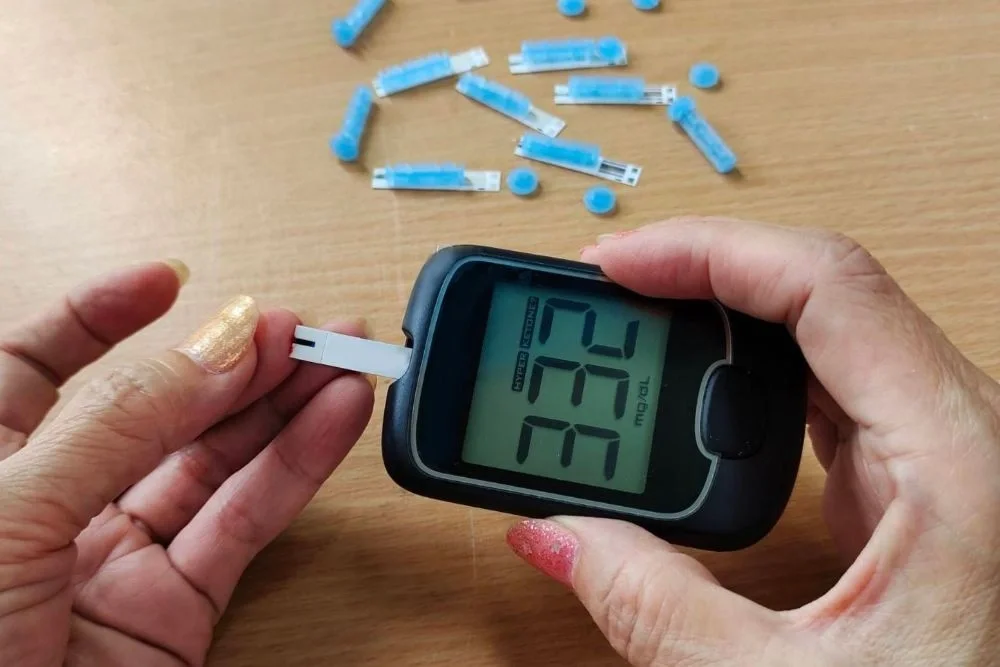
Insulin is a hormone that helps move glucose (sugar) from your blood into your cells, where it’s used for energy. When your cells become less responsive to insulin, known as insulin resistance, sugar lingers in the bloodstream, triggering your body to continue producing insulin. Over time, this can lead to elevated insulin levels (called hyperinsulinemia) and unstable blood sugar.
Insulin resistance is one of the most common features of PCOS, affecting 35-80% of women with the condition.
How Insulin Resistance Affects Hormones and Ovulation
Insulin also has an important role in the reproductive system. The ovaries have insulin receptors, and when insulin levels stay high, it can send confusing signals that disrupt typical hormone production.
Excess insulin stimulates the ovaries to make more androgens (such as testosterone), which can interfere with the delicate balance of hormones that drive ovulation. This imbalance may prevent eggs from maturing properly or being released on a regular schedule. Over time, this can lead to irregular periods, cyst formation on the ovaries, and difficulty conceiving.
Managing Insulin Resistance to Support Fertility
The good news is that insulin resistance is manageable, and many people with PCOS go on to have healthy pregnancies with the right care.
Lifestyle changes can make a significant difference. Regular exercise, balanced nutrition, and maintaining a healthy weight can help your body use insulin more effectively and support hormonal balance. Even modest weight loss can improve ovulation and menstrual regularity.
For some patients, medical treatments are also helpful:
-
Metformin, a medication commonly used for type 2 diabetes, can help regulate insulin levels and restore more regular ovulation.
-
Ovulation-inducing medications or in vitro fertilization (IVF) may be recommended if lifestyle and medication alone don’t lead to pregnancy.
At Pacific Fertility Center, we take an individualized approach to PCOS care. Our team of reproductive endocrinologists works closely with each patient to identify how insulin resistance and other hormonal factors may be impacting fertility. From there, we create a personalized plan that fits your lifestyle and goals.
Discover What’s Possible With the Right Care
With the right combination of medical care, lifestyle adjustments, and ongoing support, many patients successfully conceive and have healthy pregnancies. If you’ve been struggling with irregular cycles or difficulty conceiving, our team is here to help uncover the underlying causes and guide you toward effective, compassionate solutions. Schedule a consultation with Pacific Fertility Center to learn more about how we can support your fertility journey.
Categories
About the Blog
Welcome to the Pacific Fertility Center Blog! Nationally and internationally recognized for providing exceptional reproductive care, our team believes in empowering people with the knowledge they need to navigate their unique fertility journeys.
From information on the latest fertility treatments to valuable insights on egg donation, surrogacy, and everything in between, the Pacific Fertility Center Blog is your ultimate resource for all things reproductive care and support. Read on to learn more, and contact us today if you have any questions or want to schedule a new patient appointment.