

IVF Add-Ons: What's Worth Considering?
When you're going through IVF, you may hear about additional tests or procedures that could be added to your treatment plan. These "IVF add-ons" are designed to provide more information or address specific fertility challenges, but they aren't necessary for every patient.
The key question isn't whether you should do every add-on available. It's whether a particular add-on makes sense for your unique situation.
What Are IVF Add-Ons?
IVF add-ons are optional tests, treatments, or laboratory techniques used alongside standard IVF care. Some may help answer specific clinical questions, while others may support embryo selection or fertilization.
Your fertility specialist may recommend an add-on based on your age, diagnosis, treatment history, or previous IVF outcomes.
Common IVF Add-Ons
PGT-A
PGT-A screens embryos for chromosome abnormalities before transfer. It may help with embryo selection and is often discussed for patients of advanced reproductive age or those with a history of recurrent pregnancy loss.
ICSI
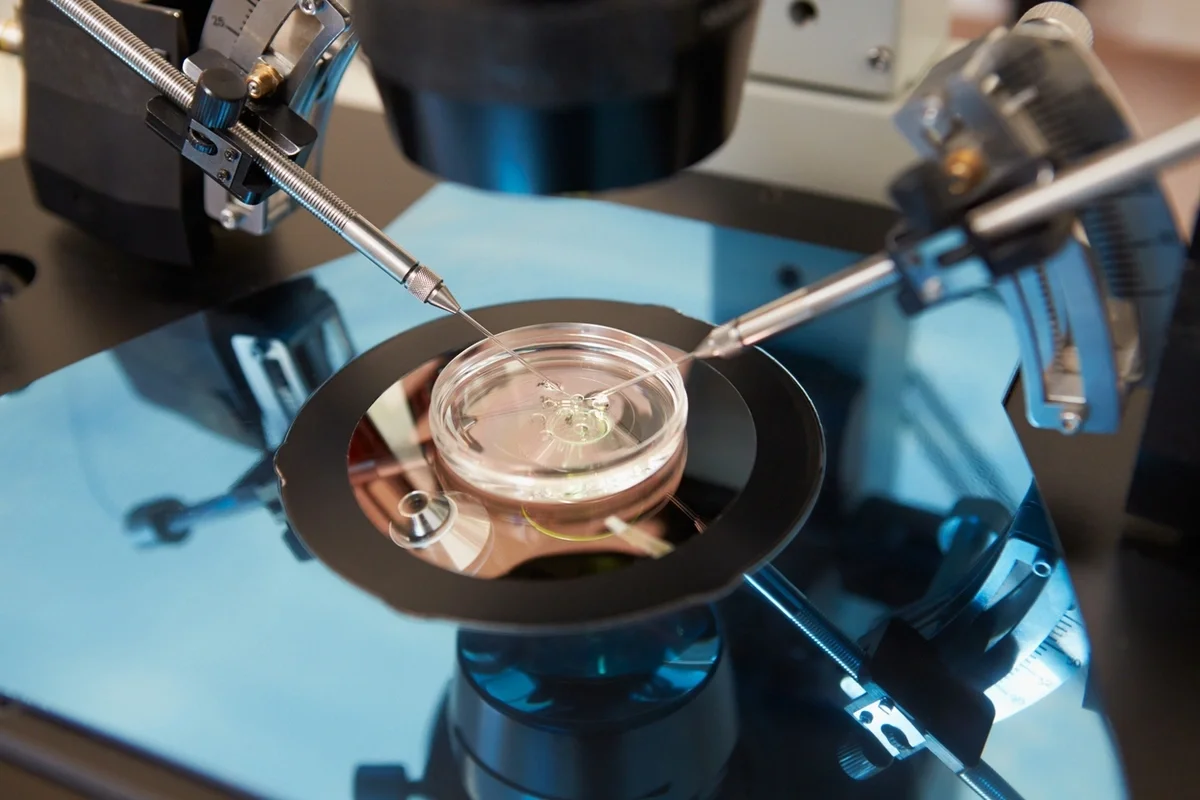
Intracytoplasmic Sperm Injection (ICSI) involves injecting a single sperm directly into an egg. It is commonly used in cases of male factor infertility or when fertilization has been a challenge in previous IVF cycles.
Assisted Hatching
Assisted hatching is a laboratory procedure in which a small opening is created in the embryo's outer shell before transfer. The goal is to help the embryo hatch from its shell and implant in the uterine lining. While assisted hatching may be considered in certain situations, it is not necessary or recommended for every IVF patient.
Endometrial Receptivity Testing
This test evaluates whether the uterine lining may be receptive to embryo implantation at a specific time. It is generally considered for select patients, particularly those who have experienced multiple unsuccessful embryo transfers.
How Do You Know What's Worth Considering?
Not every add-on is right for every patient. When discussing options with your fertility specialist, ask:
-
Why is this being recommended?
-
What are the potential benefits?
-
What are the limitations?
-
Is there evidence it may help in my situation?
These conversations can help you decide which options may add value to your treatment plan.
Fertility Care at Pacific Fertility Center
At Pacific Fertility Center, our fertility specialists tailor treatment plans to each patient's unique needs. Rather than taking a one-size-fits-all approach, we focus on evidence-based recommendations that align with your goals and fertility history.
Frequently Asked Questions
Do IVF add-ons improve success rates?
Some add-ons may be helpful for certain patients, but no add-on can guarantee pregnancy. The potential benefit depends on your diagnosis, treatment history, and fertility goals.
Are IVF add-ons necessary for everyone?
No. Many patients achieve successful outcomes without additional tests or procedures. The right treatment plan varies from person to person.
How do I know if an add-on is worth considering?
The best approach is to discuss the potential benefits, limitations, and costs with your fertility specialist. An add-on should have a clear purpose within your treatment plan rather than being added simply because it's available.
Ready to Learn More?
If you're considering IVF and have questions about add-on treatments, schedule a consultation with Pacific Fertility Center. Our team can help you understand your options and develop a treatment plan tailored to your goals.
Categories
About the Blog
Welcome to the Pacific Fertility Center Blog! Nationally and internationally recognized for providing exceptional reproductive care, our team believes in empowering people with the knowledge they need to navigate their unique fertility journeys.
From information on the latest fertility treatments to valuable insights on egg donation, surrogacy, and everything in between, the Pacific Fertility Center Blog is your ultimate resource for all things reproductive care and support. Read on to learn more, and contact us today if you have any questions or want to schedule a new patient appointment.