

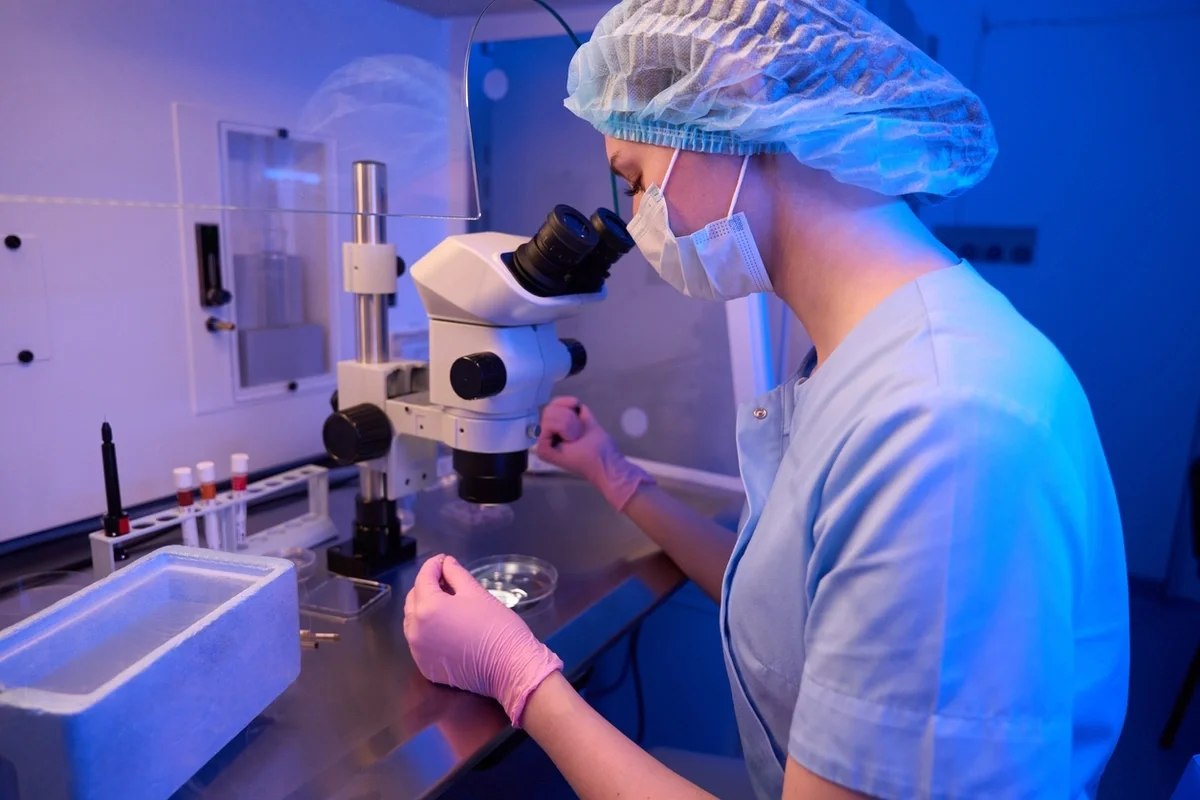
PGT-A Explained: What Does Genetic Testing Really Tell You About an Embryo?
For patients pursuing IVF, one of the most common questions is whether they should consider PGT-A. While PGT-A can provide valuable insight into an embryo's chromosomal makeup, it's important to understand both what the test can reveal and what it cannot.
At Pacific Fertility Center, PGT-A is one of several tools that may help guide embryo selection and treatment planning. Understanding its benefits and limitations can help you make more informed decisions throughout your fertility journey.
Understanding Chromosomes and Embryos
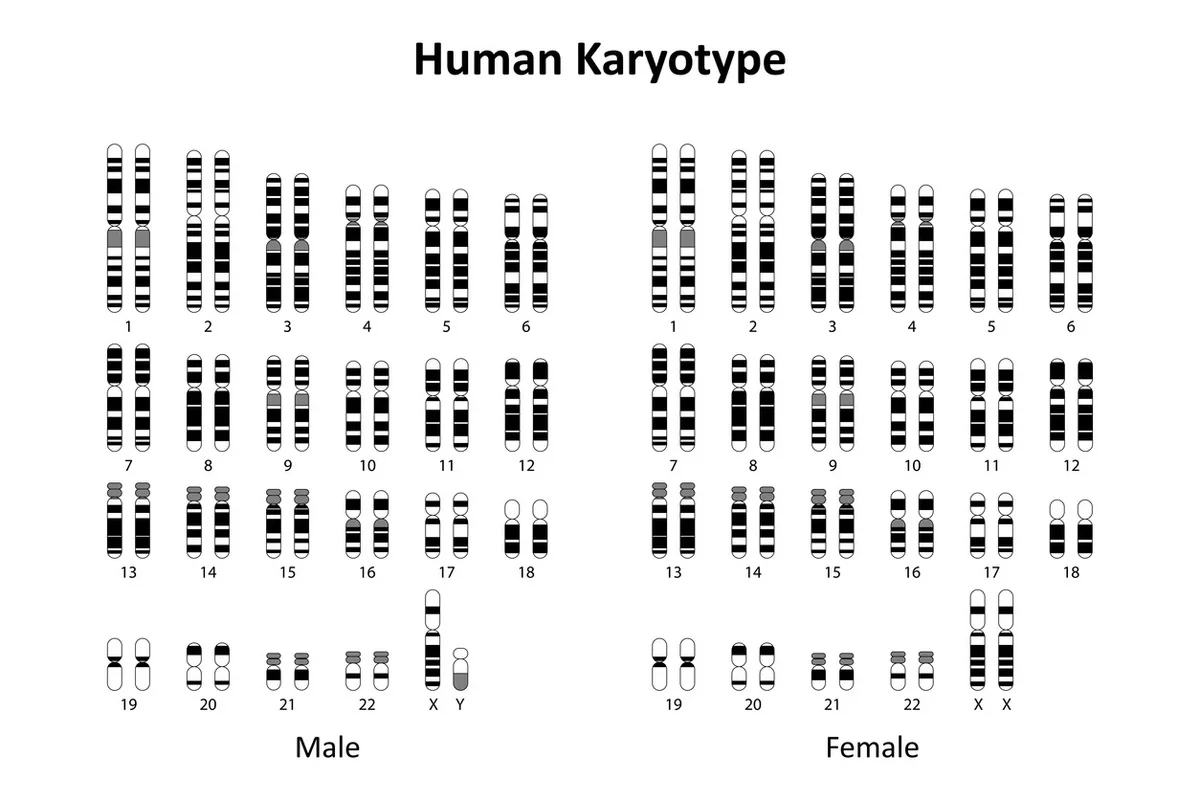
Every embryo contains chromosomes that carry the genetic information needed for development. Most healthy embryos have 46 chromosomes arranged in 23 pairs.
Sometimes an embryo develops with too many or too few chromosomes, a condition known as aneuploidy. Chromosomal abnormalities are a common cause of failed implantation, miscarriage, and certain genetic conditions. Because the likelihood of chromosome-related errors increases with age, many IVF patients choose to learn more about the chromosomal health of their embryos before transfer.
How PGT-A Is Performed
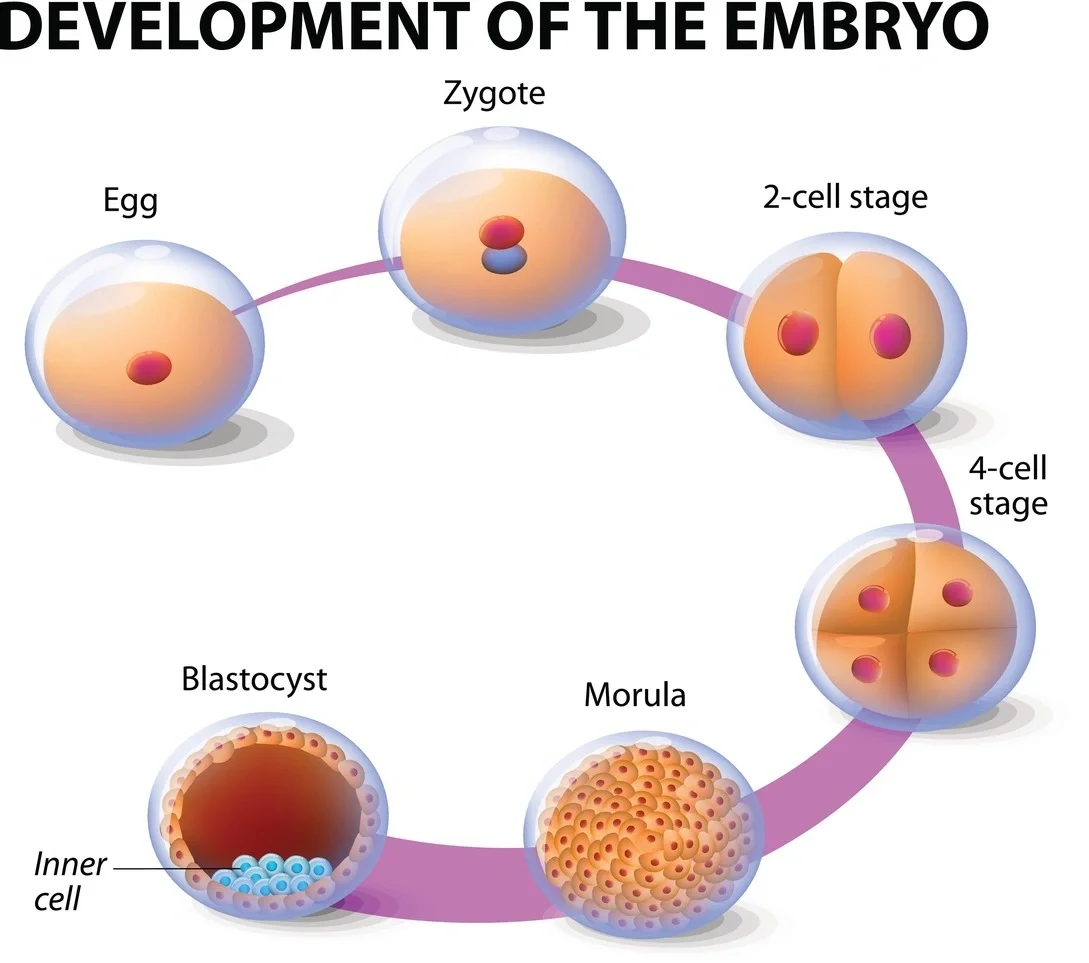
PGT-A is performed after an embryo reaches the blastocyst stage, typically five to seven days after fertilization. A small sample of cells is carefully removed from the portion of the embryo that will later form the placenta.
The embryo is then frozen while those cells are analyzed by a specialized genetics laboratory. This process allows fertility specialists to evaluate chromosome number without disrupting continued embryo development.
What PGT-A Can Tell You
Once testing is complete, embryos generally fall into one of three categories:
-
Euploid: The embryo has the expected number of chromosomes.
-
Aneuploid: The embryo has an abnormal number of chromosomes.
-
Mosaic: The embryo contains a mixture of normal and abnormal cells.
These results can help fertility specialists identify embryos that may have the greatest potential for implantation and assist in determining transfer priorities.
What PGT-A Cannot Tell You
Although PGT-A provides valuable chromosomal information, it is not a guarantee of pregnancy success.
PGT-A cannot determine whether an embryo will implant, whether a pregnancy will progress without complications, or whether a child will be free from all medical conditions. It also cannot predict traits such as intelligence, personality, or physical characteristics.
Even embryos with normal chromosome results still depend on many other factors, including uterine receptivity and the complex biological processes involved in pregnancy.
Understanding Mosaic Embryos
A mosaic embryo contains both normal and abnormal cells, making these results more complex to interpret.
Research has shown that some mosaic embryos can result in healthy pregnancies and live births. However, the implications of a mosaic result depend on the specific chromosome abnormalities identified and the percentage of abnormal cells present.
Patients with mosaic embryos often benefit from conversations with both their fertility specialist and a genetic counselor before making treatment decisions.
Who May Benefit from PGT-A?
PGT-A is not necessary for every IVF patient, but it may be helpful for individuals who:
-
Are of advanced reproductive age
-
Have experienced recurrent pregnancy loss
-
Have undergone multiple unsuccessful IVF cycles
-
Want additional information when selecting embryos for transfer
The decision to pursue PGT-A should always be based on a personalized discussion with your fertility specialist.
PGT-A at Pacific Fertility Center
At Pacific Fertility Center, we view PGT-A as one component of a comprehensive fertility treatment plan. Our fertility specialists work closely with patients to determine whether genetic testing aligns with their medical history, treatment goals, and family-building plans.
Combined with advanced IVF technology, experienced embryologists, and individualized care, PGT-A can help provide additional information to support informed treatment decisions.
Frequently Asked Questions About PGT-A
Does PGT-A improve IVF success rates?
PGT-A can help identify embryos with the correct number of chromosomes, which may improve embryo selection during IVF treatment.
Does PGT-A tell you whether an embryo is healthy?
Not entirely. PGT-A evaluates chromosome number but does not assess every aspect of embryo health or future development.
Can a genetically normal embryo still fail to implant?
Yes. Many factors influence implantation and pregnancy success, even when an embryo has normal chromosome results.
What happens if all of my embryos are abnormal?
Your fertility specialist will review the findings and discuss potential next steps based on your individual circumstances.
Are mosaic embryos worth considering for transfer?
Potentially. Some mosaic embryos can result in healthy pregnancies, but transfer decisions should be made carefully with guidance from your fertility specialist and genetic counselor.
Ready to Learn More?
Deciding to pursue PGT-A is a personal decision influenced by your age, fertility history, treatment goals, and other individual factors.
At Pacific Fertility Center, our fertility specialists help patients understand genetic testing options, interpret results, and develop personalized IVF treatment plans. If you're considering IVF and would like to learn whether PGT-A may be right for you, we're here to help.
Schedule a consultation with one of our doctors to discuss your options and take the next step toward building your family.
Categories
About the Blog
Welcome to the Pacific Fertility Center Blog! Nationally and internationally recognized for providing exceptional reproductive care, our team believes in empowering people with the knowledge they need to navigate their unique fertility journeys.
From information on the latest fertility treatments to valuable insights on egg donation, surrogacy, and everything in between, the Pacific Fertility Center Blog is your ultimate resource for all things reproductive care and support. Read on to learn more, and contact us today if you have any questions or want to schedule a new patient appointment.